
Understanding the Hot Mix Asphalt Calculator: A Comprehensive Guide
페이지 정보

본문
Whether you are a seasoned contractor or a DIY enthusiast, mastering this calculation is an invaluable skill in the world of construction and paving. Proper planning and calculations will not only save time and resources but also contribute to the longevity and durability of the paved surface. Calculating the tons of blacktop needed for a paving project is a straightforward process when you understand the necessary measurements and formulas. By accurately measuring the area, determining the desired thickness, and considering the density of the material, you can ensure that you order the right amount of blacktop for your project.
The hot mix asphalt calculator is an invaluable tool in the construction industry, enabling contractors and project managers to make informed decisions about material quantities for asphalt paving projects. By understanding how to effectively use this calculator, professionals can ensure that their projects are completed efficiently, within budget, and to the highest quality standards.
 Cost Estimation: Many Pavement Calculators include cost estimation features that help users understand the financial implications of their design choices. This can assist in budgeting and securing funding for project
Road Construction: Pavement Calculators are widely used in the design of highways, roads, and streets. They help engineers create pavements that can handle varying traffic loads and environmental condition
This promotes the use of recycled materials and encourages practices that reduce the carbon footprint of construction project Sustainability: With growing concerns about environmental impact, many Pavement Calculators now include options for sustainable materials and designs.
Thicker layers require more asphalt, while thinner layers need less. Thickness of the Layer: The thickness of the asphalt layer has a direct impact on the weight. It is essential to determine the appropriate thickness based on traffic loads and environmental conditions.
They streamline the estimation process, enhance accuracy, and facilitate better project management. Embracing these innovations will be crucial for staying competitive in an increasingly complex industry. In conclusion, road construction calculators are indispensable tools in the modern civil engineering landscape. By understanding their functionalities, benefits, and limitations, professionals in the field can leverage these tools to improve the efficiency and success of road construction projects. As technology continues to evolve, the capabilities of road construction calculators are likely to expand, further transforming the way we approach road building and infrastructure development.
Quality Issues: Underestimating the amount of asphalt can lead to insufficient coverage, resulting in a subpar surface that may require repairs or replacements sooner than expected. Cost Overruns: Purchasing more materials than necessary can significantly increase project costs. Material Wastage: Overestimating the amount of asphalt required can result in excess material that may go to waste.
Many calculators provide time estimates based on the scope of work, enabling project managers to develop realistic timelines and allocate resources efficiently. Time Management: Effective time management is crucial in road construction.
Once the user inputs the necessary parameters, the calculator processes the data and outputs the density value along with relevant information such as the optimum asphalt binder content and potential adjustments needed for achieving target density.
It directly influences the durability, strength, and longevity of the pavement surface. Asphalt density is a crucial factor in the construction and maintenance of asphalt pavements. This report delves into the importance of asphalt density, how the calculator works, its benefits, and its applications in the field of civil engineering. An Asphalt Density Calculator serves as an invaluable tool for engineers, contractors, and construction professionals to ensure that asphalt mixtures meet the required specifications for density, which is key to achieving optimal performance.
Material Selection: The calculator assists in selecting appropriate materials for the pavement layers, which may include asphalt, concrete, or composite materials. It considers factors like cost, availability, and performance characteristic
The calculator uses various inputs related to the asphalt mix design and compaction characteristics to provide accurate density values. An Asphalt Density Calculator is a tool designed to assist engineers and contractors in determining the density of asphalt mixtures.
This includes the base, sub-base, and surface layers, ensuring that the design meets the required structural and functional performance standard Design Recommendations: Based on the input data, the calculator generates recommendations for pavement thickness and layer configuration.
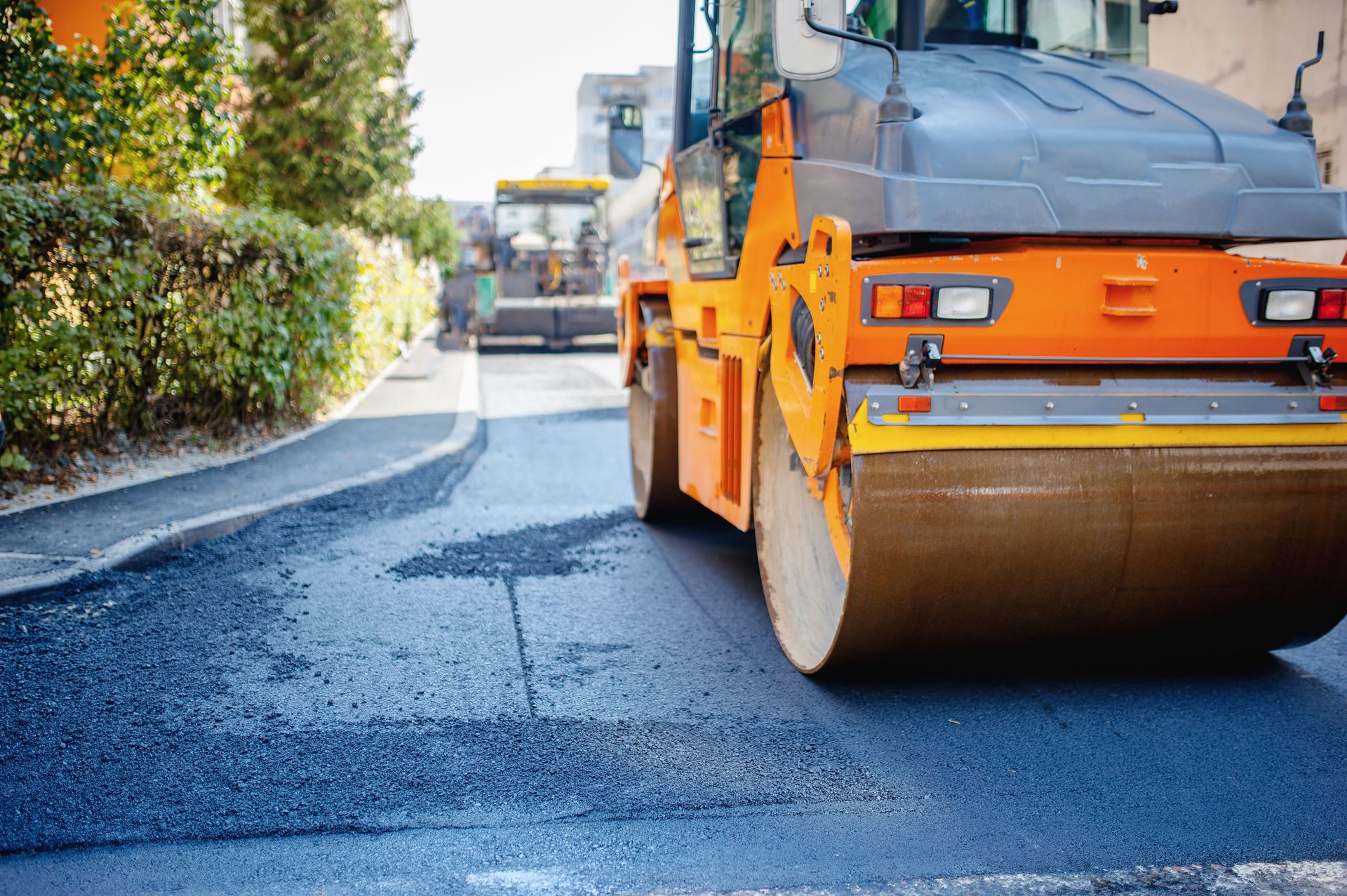 This is critical for maintaining quality control on-site. Construction Phase: As the pavement is being constructed, the calculator helps contractors ensure that the density of the laid asphalt meets project specifications.
The hot mix asphalt calculator is an invaluable tool in the construction industry, enabling contractors and project managers to make informed decisions about material quantities for asphalt paving projects. By understanding how to effectively use this calculator, professionals can ensure that their projects are completed efficiently, within budget, and to the highest quality standards.
Cost Estimation: Many Pavement Calculators include cost estimation features that help users understand the financial implications of their design choices. This can assist in budgeting and securing funding for projectRoad Construction: Pavement Calculators are widely used in the design of highways, roads, and streets. They help engineers create pavements that can handle varying traffic loads and environmental condition
This promotes the use of recycled materials and encourages practices that reduce the carbon footprint of construction project Sustainability: With growing concerns about environmental impact, many Pavement Calculators now include options for sustainable materials and designs.
Thicker layers require more asphalt, while thinner layers need less. Thickness of the Layer: The thickness of the asphalt layer has a direct impact on the weight. It is essential to determine the appropriate thickness based on traffic loads and environmental conditions.
They streamline the estimation process, enhance accuracy, and facilitate better project management. Embracing these innovations will be crucial for staying competitive in an increasingly complex industry. In conclusion, road construction calculators are indispensable tools in the modern civil engineering landscape. By understanding their functionalities, benefits, and limitations, professionals in the field can leverage these tools to improve the efficiency and success of road construction projects. As technology continues to evolve, the capabilities of road construction calculators are likely to expand, further transforming the way we approach road building and infrastructure development.
Quality Issues: Underestimating the amount of asphalt can lead to insufficient coverage, resulting in a subpar surface that may require repairs or replacements sooner than expected. Cost Overruns: Purchasing more materials than necessary can significantly increase project costs. Material Wastage: Overestimating the amount of asphalt required can result in excess material that may go to waste.
Many calculators provide time estimates based on the scope of work, enabling project managers to develop realistic timelines and allocate resources efficiently. Time Management: Effective time management is crucial in road construction.
Once the user inputs the necessary parameters, the calculator processes the data and outputs the density value along with relevant information such as the optimum asphalt binder content and potential adjustments needed for achieving target density.
It directly influences the durability, strength, and longevity of the pavement surface. Asphalt density is a crucial factor in the construction and maintenance of asphalt pavements. This report delves into the importance of asphalt density, how the calculator works, its benefits, and its applications in the field of civil engineering. An Asphalt Density Calculator serves as an invaluable tool for engineers, contractors, and construction professionals to ensure that asphalt mixtures meet the required specifications for density, which is key to achieving optimal performance.
Material Selection: The calculator assists in selecting appropriate materials for the pavement layers, which may include asphalt, concrete, or composite materials. It considers factors like cost, availability, and performance characteristic
The calculator uses various inputs related to the asphalt mix design and compaction characteristics to provide accurate density values. An Asphalt Density Calculator is a tool designed to assist engineers and contractors in determining the density of asphalt mixtures.
This includes the base, sub-base, and surface layers, ensuring that the design meets the required structural and functional performance standard Design Recommendations: Based on the input data, the calculator generates recommendations for pavement thickness and layer configuration.
This is critical for maintaining quality control on-site. Construction Phase: As the pavement is being constructed, the calculator helps contractors ensure that the density of the laid asphalt meets project specifications.- 이전글여름철 건강한 추억을 위한 체력 관리 방법 26.06.29
- 다음글성인약국 Vimax 자신감 관리 구매 가이드 26.06.29
댓글목록
등록된 댓글이 없습니다.