
Why DTF Printing Is a Game-Changer — And Where It Falls Short
페이지 정보

본문
Direct-to-film (DTF) technology has become a increasingly favored method for transferring highly saturated designs onto textiles, especially in personalized clothing and branded merchandise. One of the biggest advantages is the sharpness of the prints. DTF allows for ultra-sharp multi-color images with excellent color accuracy and crystal-clear sharpness, even on dark fabrics. Unlike conventional screen methods, it doesn’t require separate screens for each color, which makes small batch orders more cost effective and quicker to complete. It also works well on a broad range of materials including 100% cotton, polyester blends, hybrid materials, and even some non-fabric surfaces like wood panels or aluminum with the appropriate surface treatment.
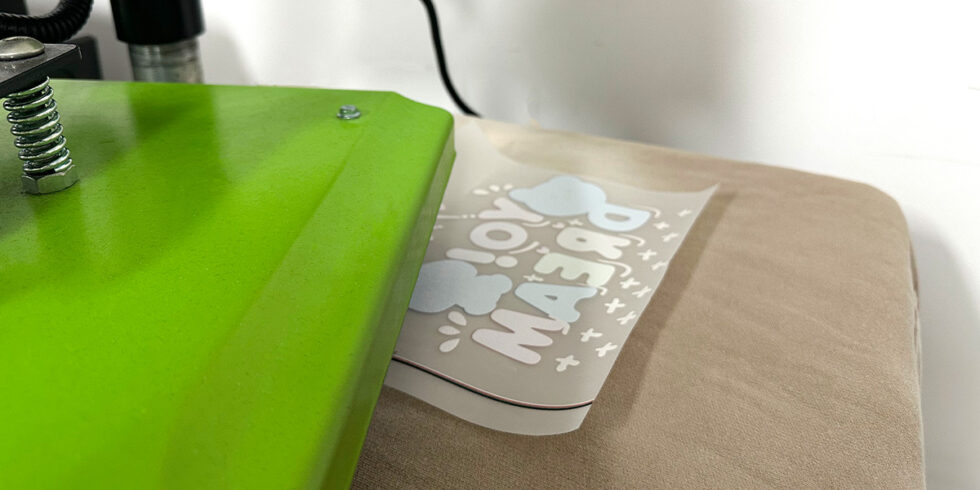
Another benefit is the longevity of the prints. dtf transfer printer transfers are known to withstand dozens of laundry cycles without cracking or losing color, making them perfect for regular apparel. The process is also eco-friendlier and doesn’t produce excessive byproducts or chemical runoff compared to some other printing methods. Setup is user-friendly and doesn’t require lengthy apprenticeship, which makes it ideal for startups looking to start a print on demand service.
However, DTF printing isn’t without its drawbacks. The upfront cost in equipment can be substantial, especially when compared to entry-level vinyl cutters. The printers, adhesive applicators, and heat press units can become expensive fast, making it impractical for beginners with minimal capital. The process also involves multiple labor-intensive stages, including evenly spreading powder and curing the film, which can reduce throughput if not mechanized. There’s also a learning curve to achieve uniform output, as factors like ambient moisture levels, application uniformity, and thermal exposure can significantly affect the final product.
Additionally, while DTF works on many fabrics, it doesn’t always perform consistently on every surface. Some textured or stretchy materials can cause issues with sticking or warping. The finished prints have a slightly raised texture, which some customers may find less breathable than ink-on-fabric methods. Lastly, because DTF relies on a transfer film, it’s not as cost-competitive for mass production runs, where screen printing still holds an edge in cost per unit.
Overall, DTF printing is a flexible and high quality option for businesses that need customization options and small to medium runs, but it requires a strategic allocation of resources to master successfully.
- 이전글강원 파워약국 시알리스 5mg 꾸준한 복용으로 달라진 일상 26.04.18
- 다음글비아몰 비닉스 필름 정보 가이드 가이드 26.04.18
댓글목록
등록된 댓글이 없습니다.